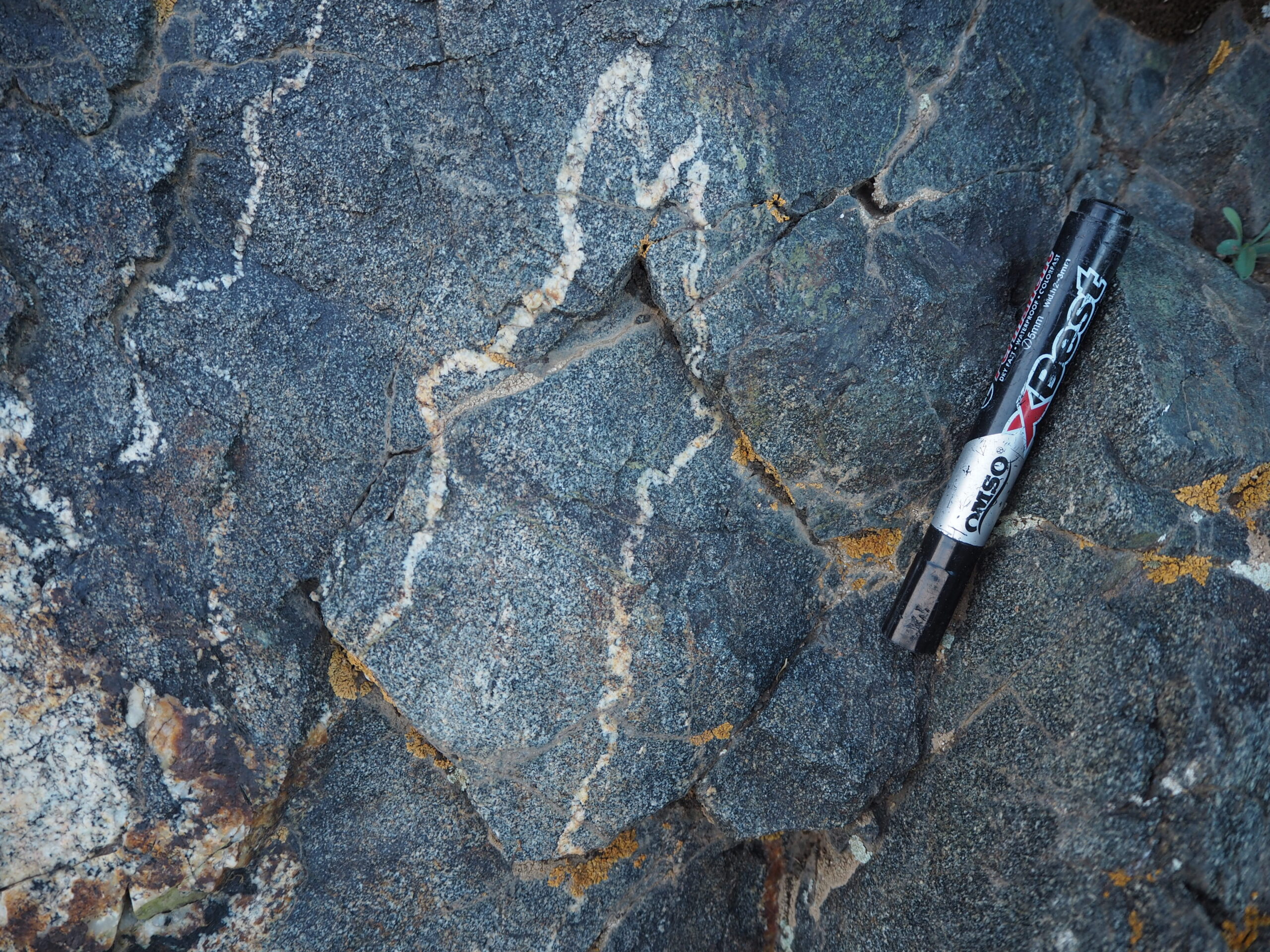

In an effort to address a significant data gap in Central Asian geodynamics, the Structural Geology and Lithospheric Research Sector at the Institute of Geology, Mongolian Academy of Sciences (MAS) has implemented a groundbreaking methodological approach. Initiated in 2025, this sector has effectively integrated high-precision field micro-drilling techniques into its domestic research workflows. This initiative represents a significant milestone as it is the first instance in which a Mongolian research team has autonomously conducted in-situ paleomagnetic core sampling across the remote terrains of the country.
The Structural Geology and Lithospheric Research Sector at the Institute of Geology, Mongolian Academy of Sciences (MAS), has shared an important update. Under the leadership of Dr. Turbold Sukhbaatar and the Head of Sector, Dr. Tungalag Naidansuren, a team of six has developed a multidisciplinary framework aimed at clarifying the complex deformation histories of Central Asia. By integrating surface mapping, structural and petrological research, deep lithospheric geophysics, and paleomagnetism, the team seeks to enhance our understanding of the oroclinal bending and accretionary processes that have shaped both the Mongolian landmass and the Central Asian Orogenic Belt (CAOB).
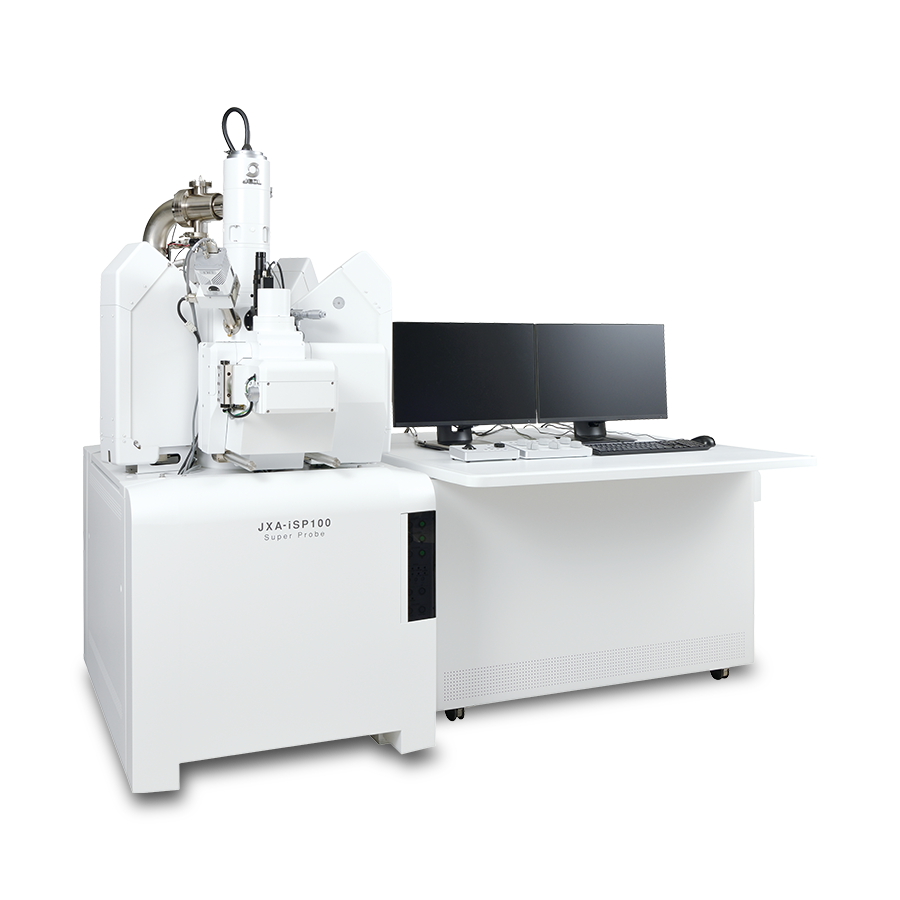
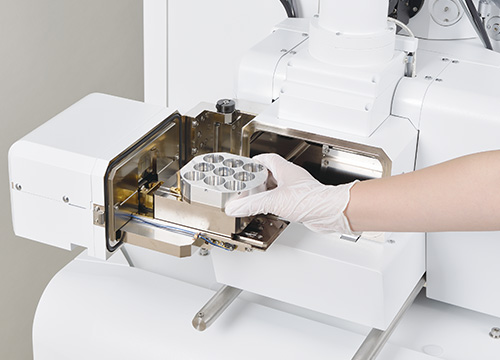
Head of EPMA Laboratory
Study Field: Laboratory
Research Fellow
Study Field: Laboratory
Research Fellow
Study Field: Laboratory
Research Fellow
Study Field: Laboratory
The Institute of Geology warmly welcomes international and domestic research institutes, academic organizations, and industry partners for scientific collaboration.
© Institute of Geology