Regional Geology, Tectonics, and Magmatism Sector

Mongolian Tectonics

The Mongolian Tectonic Collage: Structural Inheritance and Regional Geodynamic Implications

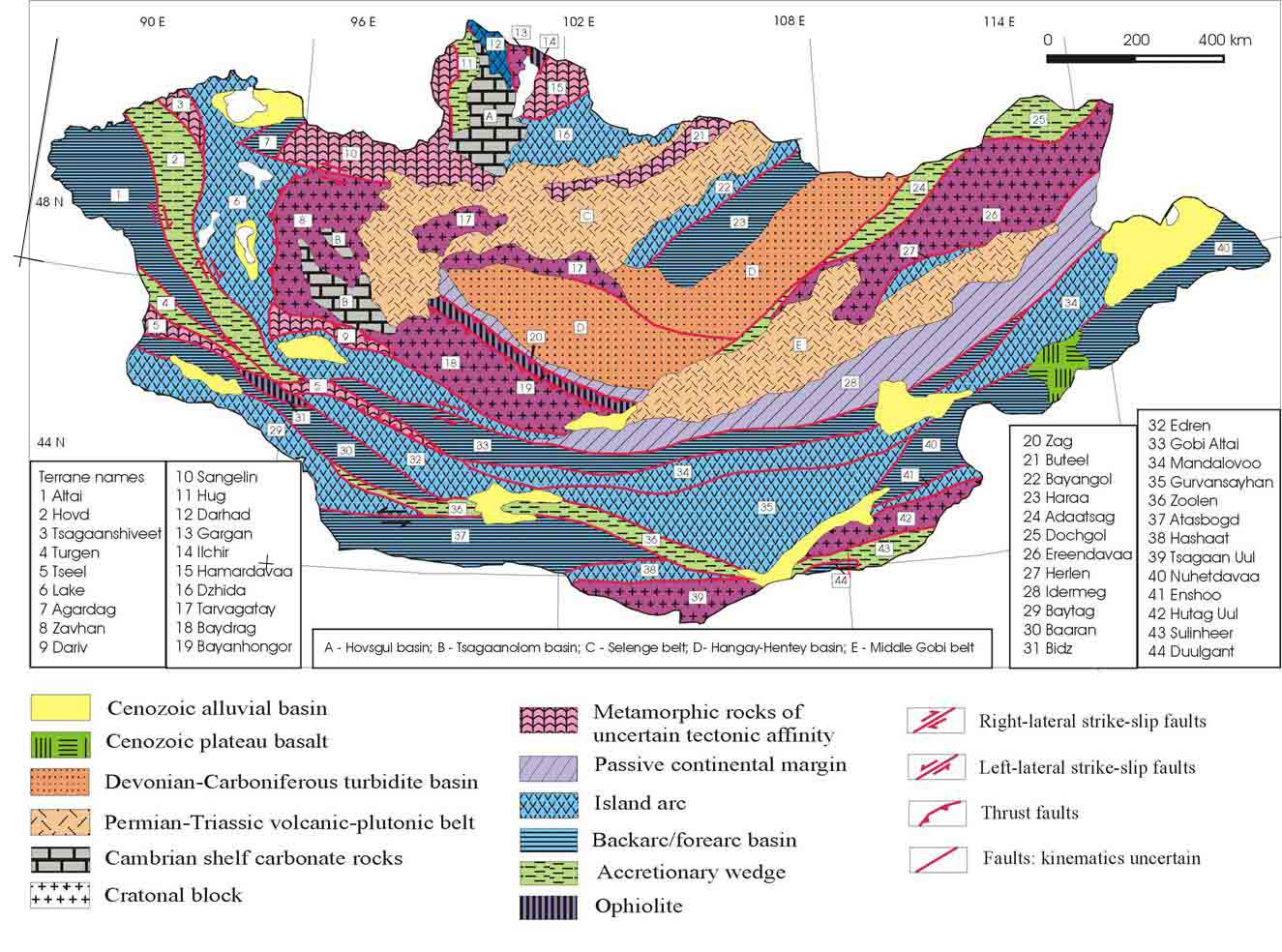
The tectonic architecture of Mongolia is characterized as a complex, multi-stage accretionary collage within the broader Central Asian Orogenic Belt. By integrating the detailed, fault-bounded 44-terrane matrix established by Badarch et al. (2002) with the large-scale cross-border Eurasian structural correlations formalized by Tomurtogoo (2014), researchers can map out the complete geodynamic evolution of the region. This evolution spans from the Precambrian amalgamation of microcontinental cores like the Central Mongolian Massif to the massive Paleozoic oroclinal bending and Phanerozoic ocean closures along major lineaments such as the Mongol-Okhotsk Suture. Ultimately, this ancient structural grain left behind a permanent crustal anisotropy that not only dictates localized metallogenic economic zoning for world-class mineral systems but also directly controls active, intraplate Cenozoic strain fields and seismic hazards across modern East Asia.

Badarch et al., (2002)

Sector's

Major Fields

Short note

About Us

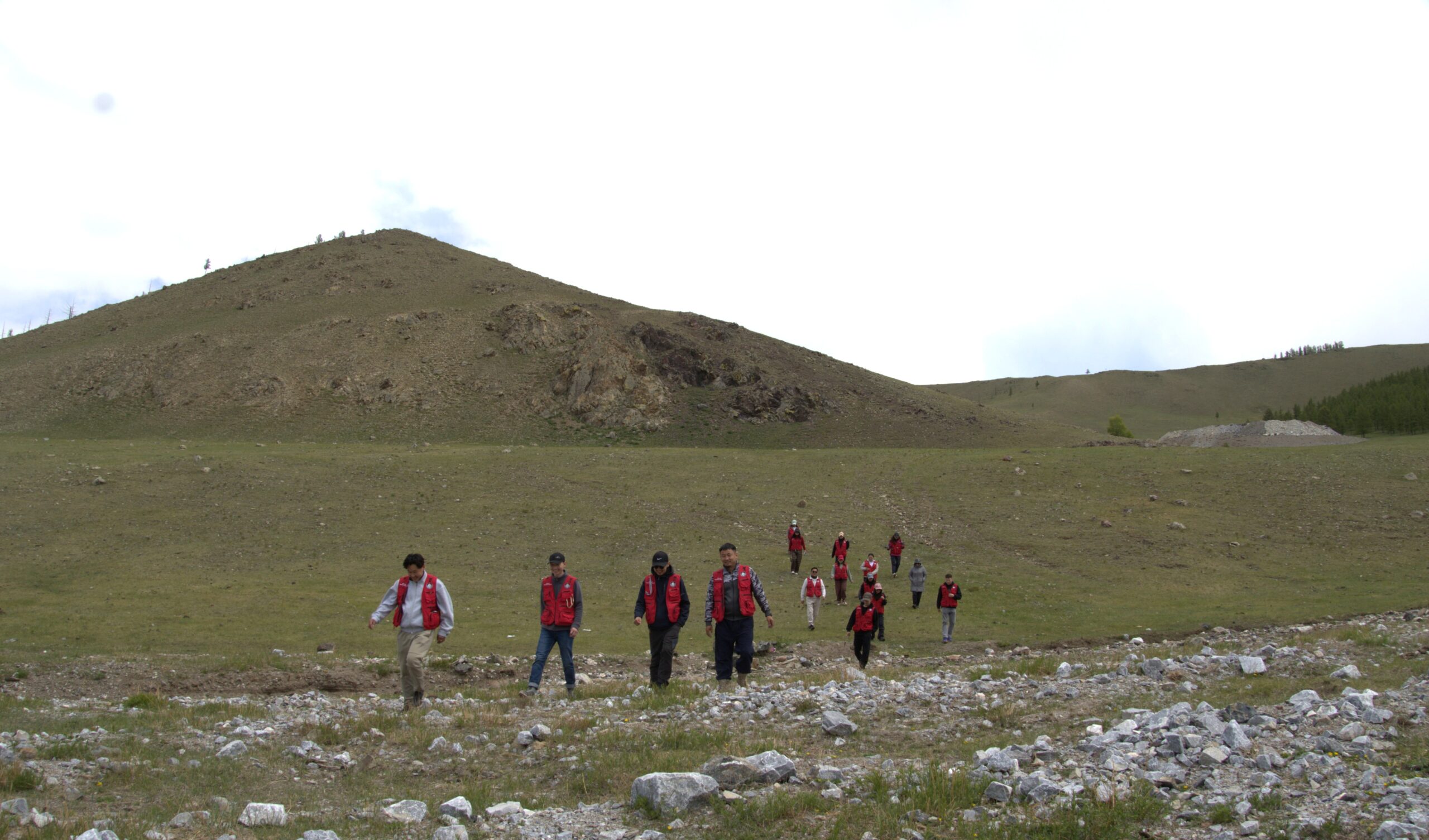
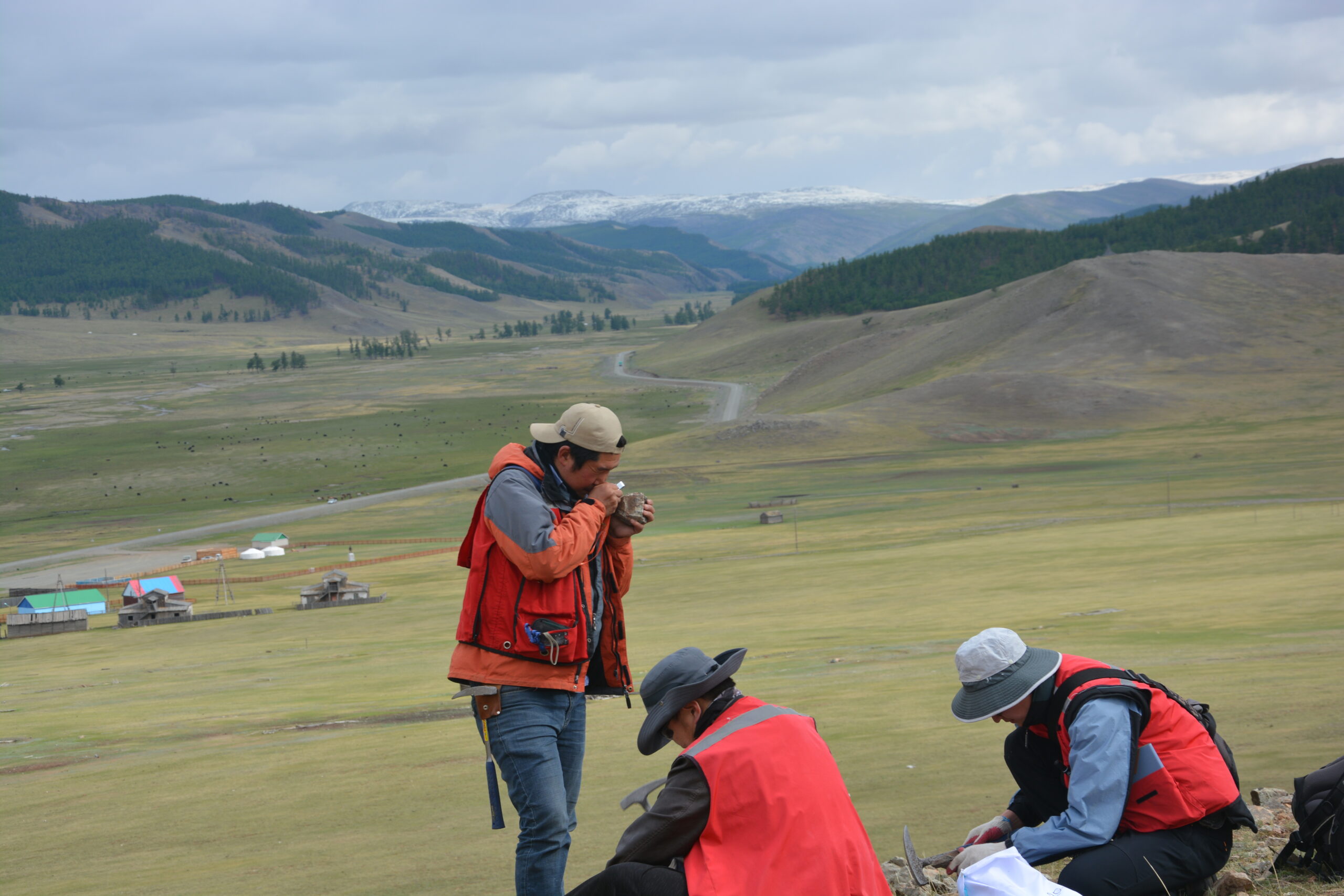
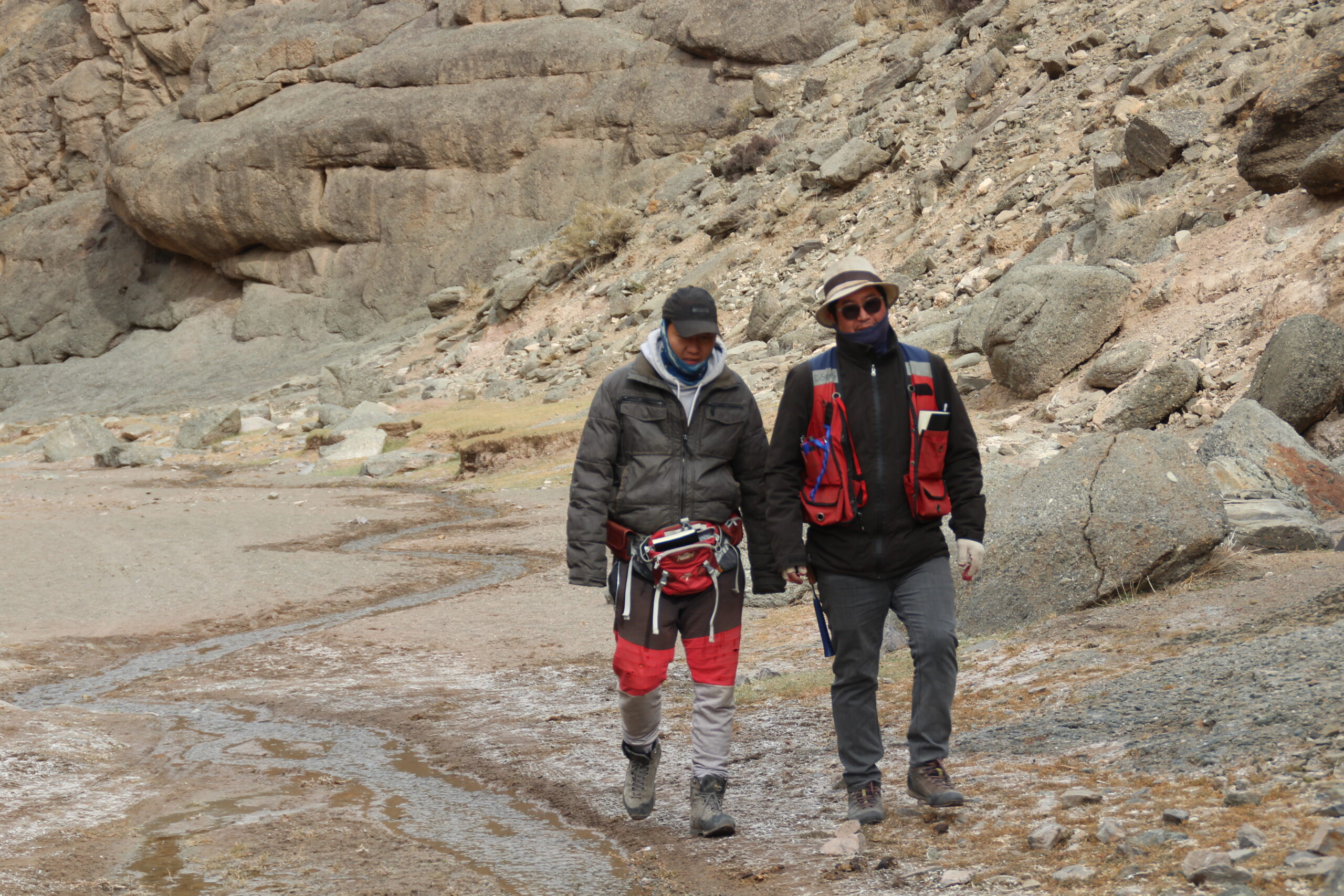
The Institute of Geology at the Mongolian Academy of Sciences (MAS) serves as the leading institution for geodynamic research and cartographic synthesis within the Central Asian Orogenic Belt (CAOB). Historically, the Institute has played a crucial role in merging traditional Soviet structural and magmatic mapping techniques with modern Western concepts of accretionary terranes. This legacy is built on the extensive structural frameworks established by Academician O. Tomurtogoo and Dr. Gombosuren Badarch. In 2002, Tomurtogoo created the authoritative Tectonic Map of Mongolia, scaled at 1:1,000,000, and integrated it with cross-border Eurasian data in 2014. At the same time, Badarch's groundbreaking work in 2002 classified the Mongolian basement into 44 fault-bounded units, contributing to the "central nucleus model" of Phanerozoic crustal accretion. The contemporary phase of the Institute, led by Director Dr. Turbold Sukhbaatar, focuses on advanced quantitative techniques to accurately reconstruct structural and geodynamic relationships within this orogenic belt. Utilizing high-resolution in-situ zircon U-Pb geochronology, Lu-Hf isotope geochemistry, detrital zircon age profiling, and pressure-temperature-time (P-T-t) paths, Sukhbaatar’s recent research has significantly refined regional structural models. Additionally, Dr. Sanchir Dorjgochoo, the head of this sector and a representative of the new generation of cutting-edge tectonists at the Institute of Geology (MAS), has focused his recent research on mapping Mongolia's ancient suture zones. He utilizes modern ophiolite concepts and supra-subduction zone (SSZ) geodynamic paradigms in his work.

PhD
0%
MSc
0%
BSc
0%

Dr. Sanchir Dorjgochoo

Head of Regional Geology, Tectonics, and Magmatism Sector​

Study Field: Geochemistry, Geochronology, and Geodynamics

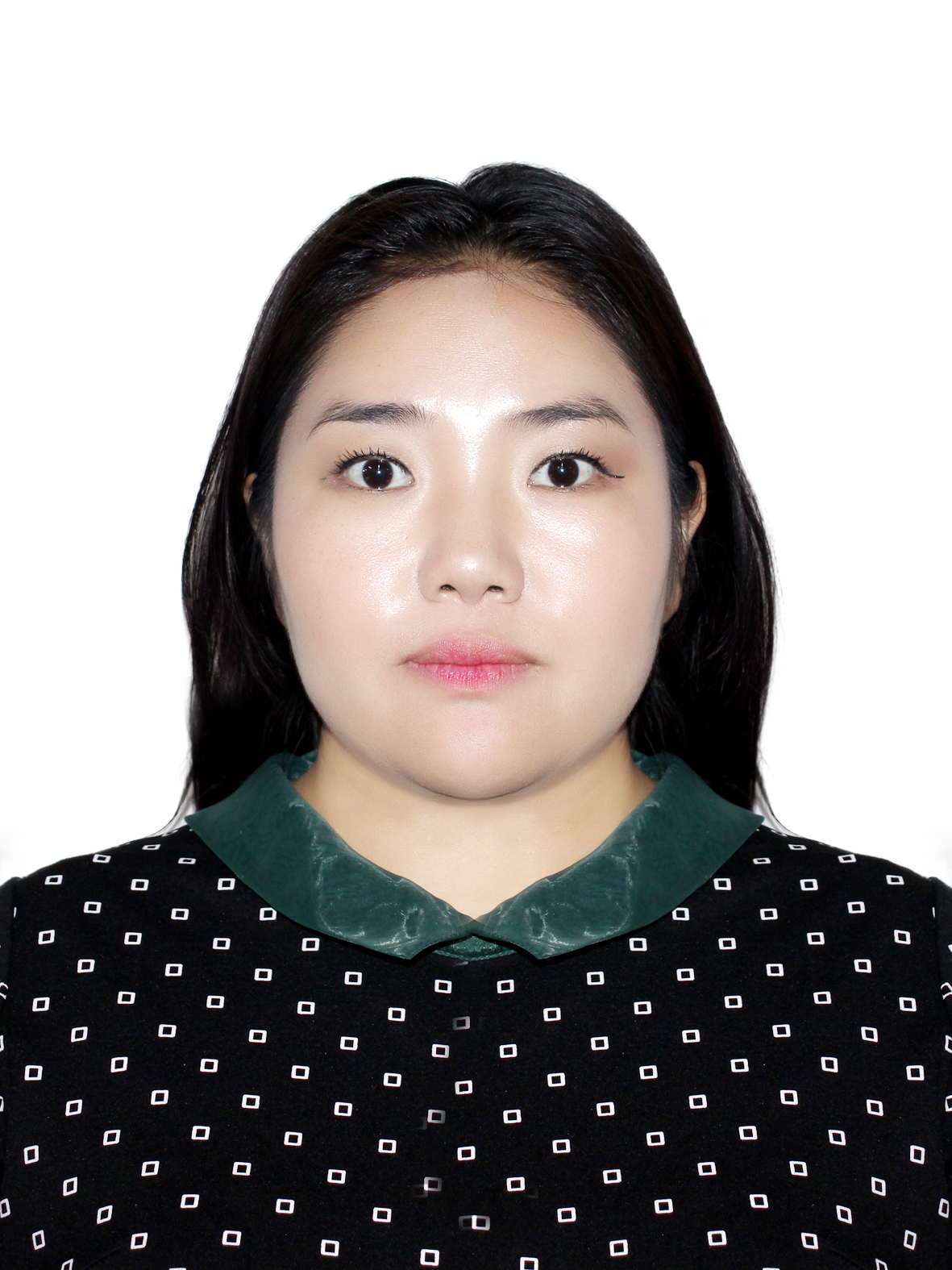
Tserendulam Buyanjargal

Research Fellow

Study Field: Magmatic Petrology and Geochemistry

Name

Research Fellow

Study Field:

Name

Research Fellow

Study Field:

Name

Research Fellow

Study Field:

© Institute of Geology